
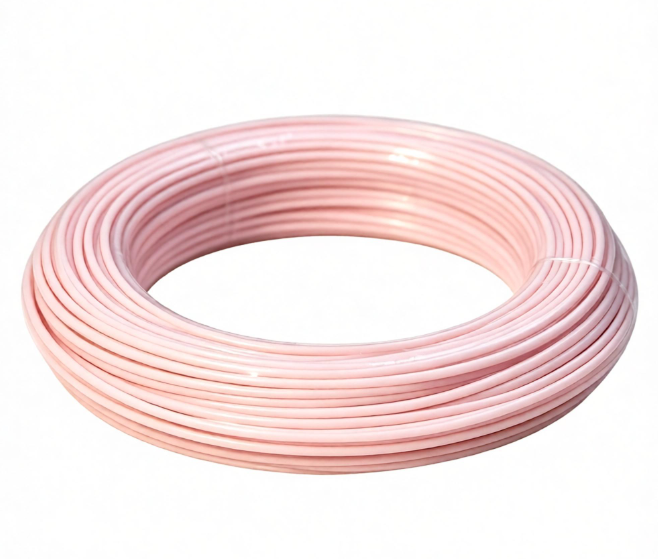
View more products about submersible pump winding wire+
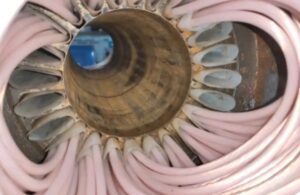
What is PE+PA Winding Wire?
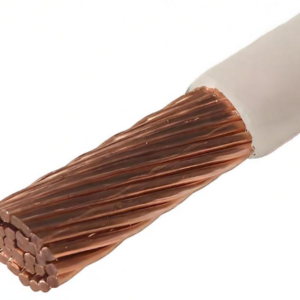
PE+PA winding wire is a double-layer insulated copper wire that combines the exceptional electrical insulation properties of polyethylene (PE) with the mechanical and chemical protection of polyamide (PA), commonly known as nylon. The designation “PE2+PA” typically refers to the specific grade or type of polyethylene used as the inner insulation layer, with polyamide serving as the outer sheath.
This composite insulation system is specifically engineered for water-filled submersible motors, where the winding wire operates in direct contact with water, oil, or other fluids. Unlike conventional enameled wires that would rapidly degrade in such conditions, PE+PA wire is designed to function reliably over extended periods in challenging environments.
The structure of PE+PA winding wire consists of three essential components:
-
Oxygen-free copper conductor (single or multi-strand)
-
Polyethylene (PE) insulation layer (inner layer)
-
Polyamide/Nylon (PA) sheath (outer protective layer)
Construction and Materials
Copper Conductor
The conductor forms the core of the winding wire and is typically made from high-quality oxygen-free copper with a purity of 99.97% or higher. This high-purity copper ensures excellent electrical conductivity, low resistance, and reliable performance. The conductor may be a single solid wire or a multi-strand configuration, depending on the specific requirements of the motor design. Common conductor diameters range from 0.47mm to 3.6mm for single-strand wires, with larger sizes available for high-power applications.
Polyethylene (PE) Insulation
The inner insulation layer is made from high-pressure polyethylene, which provides outstanding electrical insulation properties. This material is specifically chosen for its:
-
Excellent dielectric strength – capable of withstanding high voltages without breakdown
-
Low water permeability – prevents moisture ingress even under significant pressure
-
Chemical resistance – suitable for operation in water with pH values between 6.5 and 8.5
-
Flexibility – maintains integrity during winding and installation
Polyamide (PA/Nylon) Sheath
The outer sheath is made from polyamide 1010 (nylon), a polymer material that provides the critical protection that makes PE+PA wire suitable for submersible applications:
-
Waterproof and oil-resistant – the nylon sheath prevents fluid penetration to the insulation layer
-
High mechanical strength – resists abrasion and damage during installation and operation
-
Corrosion resistance – protects against acids, alkalis, and salts present in various water sources
-
Electrical insulation – adds a secondary layer of dielectric protection
Key Technical Specifications
Understanding the technical parameters of PE+PA winding wire is essential for selecting the right product for specific applications. The following table summarizes the primary specifications:
Rated Voltage:450/750V (standard); higher voltages available with XLPE insulation
Conductor Material:Oxygen-free copper (≥99.97% purity)
Insulation Material:High-pressure polyethylene (PE)
Sheath Material:Polyamide 1010 (Nylon/PA)
Long-term Operating Temperature:Up to 70°C (standard); 90°C for high-temperature variants
Water pH Range:6.5 – 8.5
Maximum Water Pressure:1.5 MPa
Available Conductor Sizes:Single strand: Ø0.47mm – Ø3.6mm; Multi-strand: 7 or 19 strands
Insulation Thickness:0.35 – 0.75mm、
Sheath Thickness:0.12 – 0.15mm
These specifications indicate that PE+PA winding wire is designed for continuous operation in submerged conditions with moderate water pressure and temperature. For more demanding applications requiring higher voltage or temperature resistance, variations using cross-linked polyethylene (XLPE) as the inner insulation (designated XLPE+PA) are available
Why PE+PA Insulation?
The combination of polyethylene and polyamide offers synergistic benefits that neither material could provide alone. This composite approach addresses the fundamental challenges of submersible motor winding:
The Challenge: Submersible motors operate in direct contact with water, oil, or corrosive fluids. Conventional magnet wire insulation (enamel) degrades rapidly under such conditions due to hydrolysis, electrical treeing, and mechanical stress.
The PE+PA Solution:
-
PE handles the electrical insulation – Polyethylene has excellent dielectric properties and low moisture absorption, making it ideal for maintaining insulation resistance in wet environments.
-
PA handles the mechanical and chemical protection – The nylon sheath is tough, abrasion-resistant, and provides a barrier against water, oil, acids, and alkalis. It also prevents the PE layer from being physically damaged during the winding process.
-
The combination extends service life – Tests and field experience demonstrate that PE+PA insulated wires significantly outlast single-layer alternatives in submersible motor applications.
Applications of PE+PA Winding Wire
The unique properties of PE+PA winding wire make it the preferred choice for a wide range of applications where exposure to fluids is unavoidable.
Water-Filled Submersible Motors
This is the primary application for PE+PA winding wire. Water-filled submersible motors are used in:
-
Agricultural irrigation – pumping water from wells, boreholes, and reservoirs for crop irrigation
-
Municipal water supply – extracting groundwater for drinking water systems
-
Mine drainage – removing water from underground mining operations
-
Construction dewatering – managing groundwater at construction sites
-
Geothermal heating – circulating water in ground-source heat pump systems
In these applications, the motor is filled with clean water that serves as both coolant and lubricant. The winding wire must operate continuously in this wet environment without electrical breakdown or insulation degradation.
Oil-Filled Submersible Motors
PE+PA winding wire is also suitable for oil-filled submersible motors, where the surrounding fluid is oil rather than water. The nylon sheath provides excellent oil resistance, protecting the insulation from swelling or chemical attack.
Submersible Pumps in Harsh Environments
Beyond clean water applications, PE+PA wire is used in pumps handling:
-
Salt water – for marine aquaculture, salt production, and seawater intake systems
-
Chemical wastewater – in industrial settings where pumps must handle mildly corrosive fluids
-
Oilfield operations – for downhole pumping and fluid transfer
-
Mining slurries – where water may contain dissolved minerals and suspended solids
The chemical resistance of the nylon sheath makes PE+PA wire suitable for water with pH values ranging from 6.5 to 8.5, covering most natural and industrial water sources.
Advantages Over Alternative Insulation Systems
When compared to other winding wire insulation options, PE+PA offers distinct advantages for submersible applications:
Versus Standard Enameled Wire
Standard enameled wire (such as polyurethane or polyester-imide coated wire) is designed for dry environments. In water-filled submersible motors, the enamel coating would absorb water, leading to rapid insulation failure. PE+PA wire, with its thick polyethylene insulation and nylon sheath, is specifically designed to function in wet conditions.
Versus PVC Insulated Wire
PVC (polyvinyl chloride) insulated wires are sometimes used in lower-temperature applications, but they have limitations:
-
Lower temperature rating (typically 70°C or less)
-
PVC can leach plasticizers over time, reducing flexibility
-
Less resistant to oil and certain chemicals compared to nylon
Versus XLPE+PA Wire
For higher voltage applications (3kV, 6kV, 10kV), cross-linked polyethylene (XLPE) is used as the inner insulation instead of standard PE. XLPE+PA wire offers:
-
Higher temperature rating (up to 90°C)
-
Better dielectric strength for high-voltage applications
-
Improved resistance to electrical treeing
However, for standard low-voltage submersible motors (450/750V), PE+PA wire provides excellent performance at a more economical cost.
Quality Considerations for PE+PA Winding Wire
When selecting PE+PA winding wire, several quality factors should be considered:
Conductor Quality
The copper conductor should be made from oxygen-free copper with a purity of at least 99.97%. Lower-grade copper may contain impurities that increase resistance and reduce conductivity. The conductor should be soft and flexible to facilitate winding without damage to the insulation.
Insulation Concentricity
The polyethylene insulation must be concentrically applied around the conductor. Eccentricity can create thin spots where electrical stress concentrates, potentially leading to premature failure. Quality manufacturers control eccentricity to within 10% of the nominal insulation thickness.
Sheath Integrity
The nylon sheath must be continuous and free from pinholes or thin spots. Any breach in the sheath allows water to contact the PE insulation, potentially leading to insulation failure over time. The sheath surface should be smooth, without bubbles, impurities, or mechanical damage.
Adhesion and Flexibility
The PE insulation should adhere tightly to the copper conductor to prevent air gaps that could cause corona discharge. At the same time, the wire must remain flexible enough to be wound into motor stator slots without cracking or delaminating.
Standards and Compliance
PE+PA winding wire is manufactured to comply with various international and regional standards:
-
JB/T4014 – Chinese standard for polyethylene insulated nylon sheathed water-resistant winding wire
-
GB/T3048 – Test methods for electrical properties of wires and cables
-
GB/T3953 – Round copper wires for electrical engineering
-
GB/T6108 – Winding wire conductors
-
IEC standards – For international markets
These standards specify requirements for conductor dimensions, insulation thickness, electrical resistance, mechanical properties, and test methods. Compliance ensures that the wire meets minimum quality and performance benchmarks.
Frequently Asked Questions
What does PE2+PA mean?
The designation “PE2” refers to the specific type or grade of polyethylene used as the inner insulation, while “PA” indicates the polyamide (nylon) outer sheath. In some contexts, PE2 simply distinguishes this double-layer construction from single-layer PE insulation.
What is the maximum operating temperature?
Standard PE+PA winding wire has a long-term operating temperature of up to 70°C. For applications requiring higher temperatures (up to 90°C), XLPE+PA wire is recommended.
Can PE+PA wire be used in salt water?
Yes, the nylon sheath provides resistance to salt water, making PE+PA wire suitable for marine and saltwater applications. However, prolonged exposure to highly concentrated brines may require consultation with the manufacturer.
What is the maximum water pressure?
Standard PE+PA winding wire is rated for water pressure up to 1.5 MPa (approximately 15 bar or 217 psi). This is sufficient for most submersible pump applications at moderate depths.
Is PE+PA wire available in custom sizes?
Yes, most manufacturers offer custom conductor diameters, insulation thicknesses, and strand configurations to meet specific motor design requirements. Standard sizes range from 0.47mm to 3.6mm for single-strand conductors, with larger sizes available on request

Reviews
There are no reviews yet.