
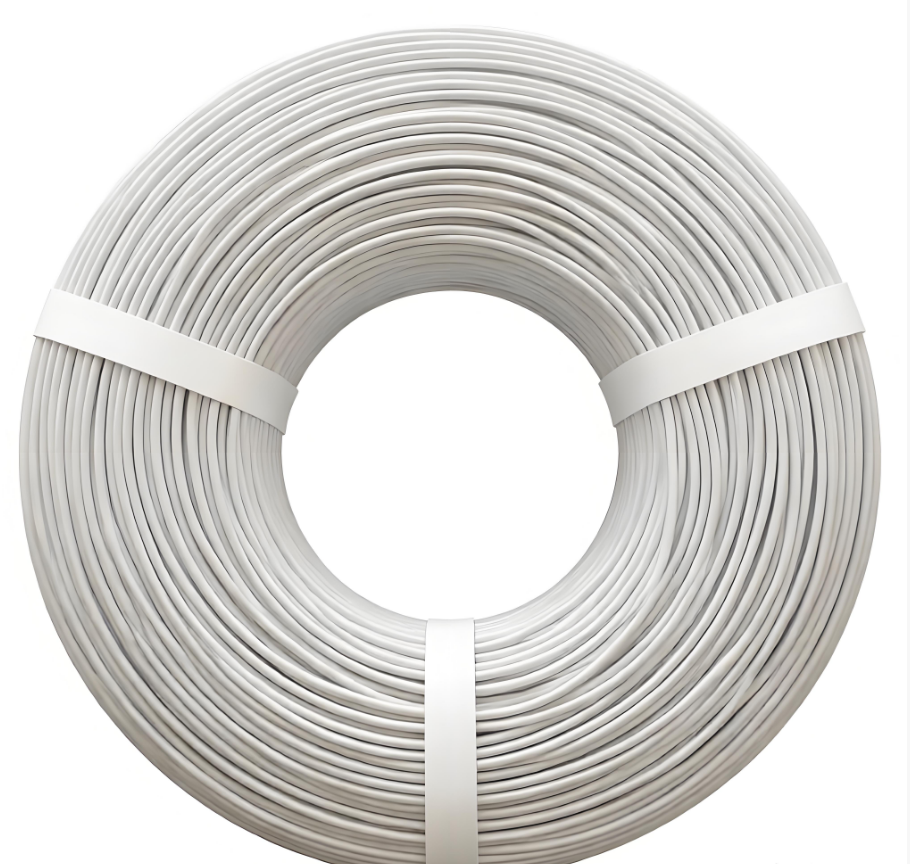
View more products about submersible pump winding wire+
Water Conditions and Chemical Exposure
Submersible motors operate in fluids that vary widely in composition and quality. The water in which these motors run is rarely pure; it may contain dissolved minerals, suspended solids, and varying pH levels. Industry specifications indicate that submersible pump motors typically operate in water with pH values ranging from 6.5 to 8.5, which represents the neutral to slightly alkaline range. However, industrial applications may expose motors to acidic, alkaline, saline fluids, oils, or mixed liquids, each presenting unique challenges to the winding insulation system.
The continuous immersion condition means that any defect in the insulation system can lead to catastrophic failure. Water ingress into the conductor, even through microscopic pathways, can cause electrolytic corrosion of the copper and eventual motor failure. Our BOPP insulation system, with its multiple heat-sealed layers, effectively rules out water penetration, ensuring long-term reliability even in challenging fluid environments.
Pressure and Temperature Factors
Submersible motors at depth experience significant hydrostatic pressure. Data from manufacturers indicate that allowable working pressure for submersible motor winding wires can reach up to 1.5 MPa (approximately 15 bar) or even 7.09 MPa depending on the specific design and application. At these pressures, water is forced into any available pathway, making the integrity of the insulation system absolutely critical.
Temperature is another critical factor. Submersible motors generate heat during operation, and the water surrounding the motor serves as the cooling medium. The maximum rated conductor temperature for polyester and polypropylene insulated wires is typically 105°C under the combination of ambient temperature and temperature rise due to load. While the continuous operating temperature is typically maintained around 80°C, our BOPP insulation provides a significant thermal safety margin.
Our Manufacturing Process
Conductor Preparation: The Foundation of Quality
The manufacturing of BOPP insulated submersible winding wire begins with the careful selection of raw materials. We source electrolytic grade copper with more than 100% conductivity and >99.95% purity, ensuring optimal electrical performance. This high-purity copper is essential for minimizing resistive losses that generate heat and reduce motor efficiency.
The copper rods undergo a drawing process to achieve the precise conductor diameters required for specific motor applications. Drawing reduces the copper rod’s thickness while maintaining its structural integrity, with typical diameters ranging from 0.8 mm to 4.5 mm depending on the motor’s current rating and design requirements. This process is carried out using high-precision wire-drawing machines that ensure consistent diameter throughout the wire length.
Following drawing, the copper conductor undergoes annealing—a critical heat treatment process that enhances the wire’s flexibility and softness. We employ online annealing methods, which involve passing the conductor through an annealing furnace immediately after drawing. This continuous process ensures consistent annealing results and eliminates the handling that might introduce surface contamination.
The annealing process serves several essential functions:
-
It relieves internal stresses created during the drawing process
-
It recrystallizes the copper grain structure for optimal electrical conductivity
-
It imparts the flexibility required for winding operations
The importance of proper annealing cannot be overstated. Well-annealed conductors are flexible and easy to wind into motor coils, reducing assembly time, increasing production throughput, and minimizing the rework that can occur with brittle or poorly annealed wire.
Surface Preparation
Before insulation application, the annealed conductor undergoes thorough cleaning to remove any surface contaminants, oxides, or drawing residues that could compromise the adhesion of the insulation films or introduce impurities into the motor environment during service. This cleaning step is critical for ensuring that the insulation layers bond properly to the copper surface and maintain their integrity throughout the motor’s service life.
The Insulation Application Process
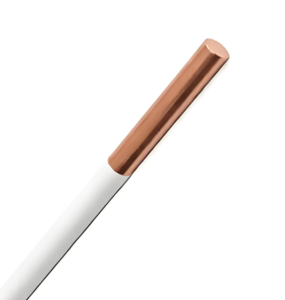
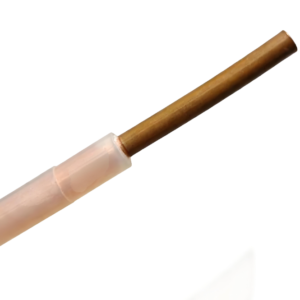
The defining feature of our BOPP insulated winding wire is the multi-layer film insulation system. The insulation is applied through a sequential wrapping process using specialized machinery equipped with sophisticated wrapping heads. Our standard construction utilizes three layers of film, though we offer two-layer configurations based on customer requirements and specific application needs.
First Layer: Polyester Film
The first layer applied over the annealed copper conductor is polyester film. Polyester offers excellent electrical, mechanical, and thermal properties, providing a robust base insulation layer that adheres well to the copper surface. This layer serves as the primary electrical insulation, providing high dielectric strength and resistance to electrical stress.
Second Layer: BOPP Opaque White Film
The second layer consists of biaxially oriented polypropylene opaque white film. The biaxial orientation process stretches the film in both machine and cross directions, creating a material with exceptional mechanical properties. BOPP opaque white film offers excellent opacity, a glossy surface, and outstanding hot tack and heat seal strength. These characteristics are essential for creating a robust insulation system that resists water ingress.
Third Layer: BOPP Transparent Film
The third and outermost layer is BOPP transparent film. This layer provides additional dielectric protection and mechanical strength while contributing to the heat-sealing integrity of the overall insulation system. The combination of opaque and transparent BOPP films, when properly heat-sealed, creates a continuous barrier against water penetration.
Heat Sealing and Consolidation
After the sequential wrapping of the three film layers, the wire passes through an oven where the films are heated and sealed together. This heat sealing process is critical to the performance of the finished wire. The heat causes the BOPP films to shrink and conform tightly to the conductor, eliminating any air gaps that could compromise dielectric performance or provide pathways for water ingress.
The heat-sealing process is carefully controlled to achieve the optimal balance of adhesion and insulation integrity. The temperature, residence time in the oven, and tension of the wire during this stage all influence the final quality of the insulation. Our state-of-the-art manufacturing equipment allows us to maintain precise control over these parameters, ensuring consistent product quality across all production runs.
Testing and Quality Assurance
At Zhengzhou Tasuu Winding Wire Industry Co., Ltd., quality assurance is an integral part of our manufacturing process. Every coil of BOPP insulated submersible winding wire undergoes rigorous testing to verify its performance characteristics.
Electrical Testing
Each coil is tested for conductor resistance to ensure it meets the specified electrical performance requirements. We also conduct high-voltage testing, typically at 3000V, to verify the dielectric integrity of the insulation system. The insulation resistance test measures the resistance of the insulation system, verifying that it provides adequate protection against current leakage even at elevated temperatures.
Mechanical Testing
We test the flexibility of the finished wire to ensure it can be wound into motor coils without cracking or damaging the insulation. The adhesion of the insulation layers is also verified, confirming that the heat-sealing process has created a unified, robust insulation system.
Water Resistance Testing
Given the application environment, water resistance is one of our most important quality parameters. We conduct water immersion tests to confirm that the insulation system effectively prevents water penetration. These tests verify that the wire meets the requirements of standards such as IS 8783, which specify the performance criteria for submersible motor winding wires.
Operating Environment and Performance Characteristics
Water Immersion Performance
The BOPP insulation system exhibits remarkably low water absorption, a critical characteristic for submersible motor applications. While our polyester and BOPP film insulation system falls under “Type 3” classification in standards such as IS 8783, with a specified maximum water absorption of 2 mg/cm³, our actual performance consistently exceeds these requirements.
Thermal Performance
BOPP insulated submersible winding wire is designed to operate reliably in the thermal environment of submerged motors. The insulation system is suitable for applications where the conductor temperature does not exceed 105°C under normal operating conditions. This temperature capability provides a substantial safety margin for most submersible motor applications, where continuous operating temperatures typically range from 80°C to 90°C.
Chemical Resistance
The BOPP insulation system offers excellent resistance to oils, chemicals, and the varied fluids encountered in submersible applications. This chemical resistance ensures reliable performance in applications ranging from clean water pumping to industrial fluid handling, where the motor may be exposed to aggressive fluids.
Mechanical Robustness
The biaxially oriented structure of the BOPP film makes tear propagation difficult and provides excellent resistance to cut-through and scrap abrasion. This mechanical robustness is essential for withstanding the stresses of motor winding operations and the vibration experienced during motor operation. The wire maintains its electrical and mechanical integrity even under the demanding conditions of submersible service.
Applications
Our BOPP insulated submersible copper motor winding wire is suitable for a wide range of applications:
-
Submersible Pumps: Domestic water supply, agricultural irrigation, industrial process water
-
Mine Dewatering: Pumps for removing water from mining operations
-
Offshore and Marine: Subsea pumping systems and marine equipment
-
Municipal Water Supply: Large-scale water distribution systems
-
Geothermal Applications: Pumps operating in warm water conditions

Reviews
There are no reviews yet.