
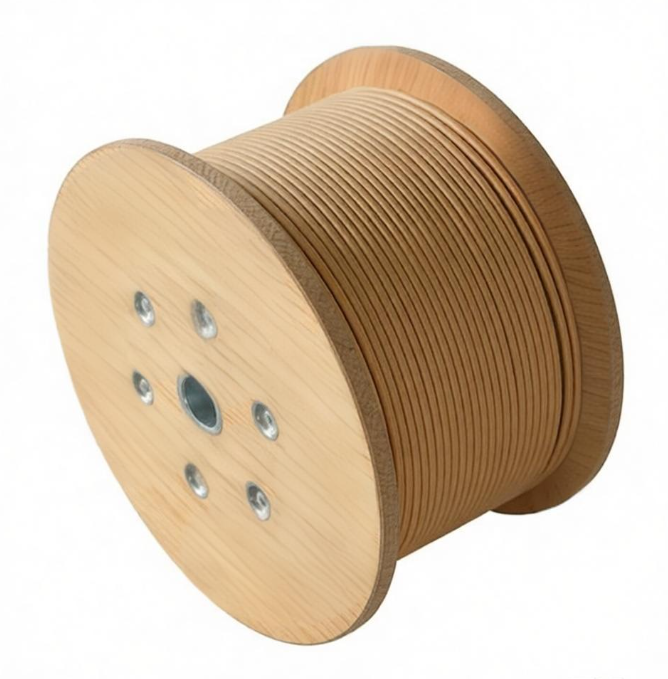
View more products about paper covered winding wires+
Conductor Specifications and Dimensional Range
Conductor Material and Properties
The copper conductor used in triple paper covered winding wire is manufactured from high-purity electrical grade copper, typically with a minimum conductivity of 100% IACS (International Annealed Copper Standard). The high purity level is essential for maintaining the required electrical performance and minimizing resistive losses that generate heat during transformer operation. The oxygen content is carefully controlled to prevent embrittlement and ensure long-term reliability under thermal and mechanical stress.
Dimensional Specifications
According to IEC 60317-27-1, the range of nominal conductor diameters covered by the standard is from 0.500 mm up to and including 5.000 mm . This diameter range encompasses the vast majority of round conductor applications in oil-immersed transformers, from small distribution transformers to larger power units. The nominal conductor diameters are specified in Clause 4 of IEC 60317-0-1:2013, which provides the general requirements for winding wires.
In practical manufacturing, common diameters produced include 1.00 mm, 1.50 mm, 2.00 mm, 2.50 mm, 3.00 mm, 4.00 mm, and 5.00 mm, with the specific size selected based on the transformer’s current rating and design requirements . The cross-sectional area range typically covers approximately 0.785 mm² for a 1.00 mm diameter conductor to approximately 19.635 mm² for a 5.00 mm diameter conductor.
Dimensional Tolerances
Precision in conductor dimensions is critical for maintaining consistent electrical and thermal performance. Manufacturers maintain tight dimensional tolerances through precise drawing and extrusion processes. The out-of-roundness of the conductor is carefully controlled to ensure uniform paper covering thickness and consistent dielectric performance throughout the wire length.
Insulation Configuration
Triple Layer Construction
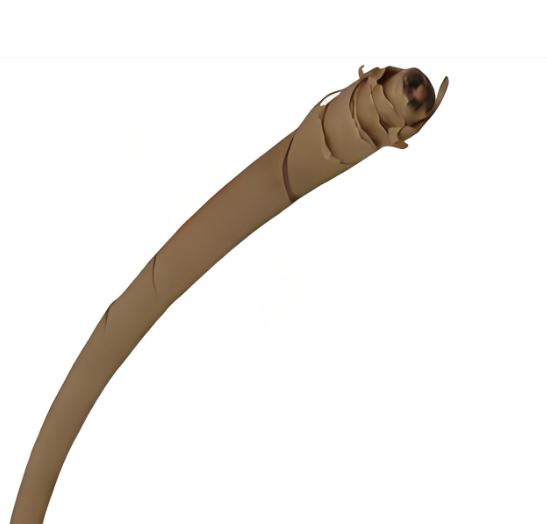
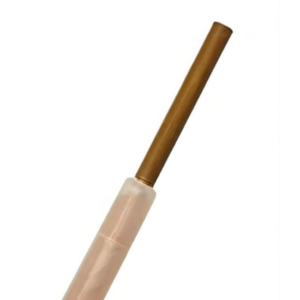
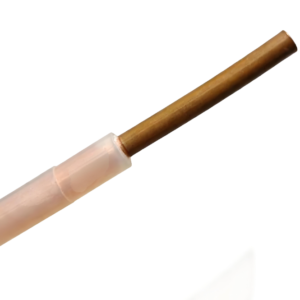
The defining feature of triple paper covered wire is the application of three layers of paper tape in a spiral wrapping process. Each layer is applied with precise tension control and overlap to ensure uniform coverage and consistent insulation thickness. The triple-layer configuration provides several advantages over single or double-layer alternatives:
-
Enhanced dielectric strength: Three layers of paper provide greater electrical insulation and higher breakdown voltage capability.
-
Improved mechanical protection: The multiple layers offer better resistance to abrasion and mechanical stresses during transformer winding.
-
Redundancy: If one layer is damaged during handling or winding, the remaining layers maintain the essential insulation integrity.
-
Superior oil impregnation: The layered structure provides pathways for transformer oil penetration, ensuring complete saturation and optimal dielectric performance.
Paper Materials
The paper tapes used for covering are restricted to those specified in IEC 60554-1 and IEC 60554-3-5 . These standards define the electrical, mechanical, and physical properties required for electrical insulating papers. While standard kraft paper is the most common choice due to its proven performance and cost-effectiveness, manufacturers may offer alternative paper types including:
-
High-density kraft paper: Providing improved mechanical strength and dielectric properties.
-
Cable paper: Offering enhanced electrical characteristics for high-voltage applications.
-
Telephone paper: Suitable for applications requiring thinner insulation profiles.
-
Nomex paper: Aramid-based paper offering higher temperature ratings (up to 220°C) and superior thermal stability .
The selection of paper type depends on the transformer’s operating temperature class, voltage rating, and specific customer requirements.
The Manufacturing Process
Conductor Preparation
The manufacturing journey begins with high-quality oxygen-free copper rods that undergo a series of forming operations to achieve the required round cross-section. The process involves drawing through precisely dimensioned dies to achieve the desired diameter, followed by annealing to achieve the required mechanical properties and electrical conductivity. Annealing is essential to relieve internal stresses from the drawing process and achieve the optimal grain structure for electrical performance.
Surface Cleaning
Following the mechanical forming operations, the copper conductor undergoes thorough cleaning to remove surface contaminants, oxides, and processing residues. Ultrasonic cleaning systems using pure water are commonly employed to ensure no impurities remain on the conductor surface . This cleaning step is essential for ensuring proper adhesion of the paper insulation and preventing contamination of the transformer oil during service.
Paper Taping Process
The triple paper covering is applied in a spiral wrapping process where the paper tape is wound around the copper conductor with precise tension control and overlap. The winding process demands careful control of several parameters, including winding tension, paper overlap, and tape feed rate. These factors collectively determine the uniformity and density of the paper covering, which directly affects the dielectric properties and the ability of the wire to maintain consistent insulation thickness throughout its length .
Each of the three layers is applied sequentially, with the winding direction typically alternating or maintained in the same direction depending on the manufacturer’s specifications and customer requirements. The overlap between successive turns of paper tape is carefully controlled to ensure complete coverage without gaps or excessive overlap that could affect overall dimensions.
Quality Control
Throughout the manufacturing process, rigorous quality control measures are implemented to verify that the wire meets the specified requirements. The standard includes tests for elongation, springiness, flexibility and adherence, resistance to abrasion, breakdown voltage, continuity of insulation, temperature index, and the pin hole test . The pin hole test, added in the 2013 revision of the standard, is particularly important for detecting microscopic defects in the paper covering that could compromise insulation integrity.
Applications and Advantages
Oil-Immersed Transformers
Triple paper covered round copper winding wire finds its primary application in oil-immersed transformers, where the paper-oil insulation system achieves its full dielectric potential . The oil penetrates the paper layers during impregnation, providing additional dielectric strength and carrying away heat generated during transformer operation. This synergistic relationship between paper and oil makes the system one of the most reliable and widely used technologies in power transformers worldwide.
Superior Electrical Performance
The triple insulation configuration provides enhanced dielectric strength compared to single or double-layer alternatives. This is particularly advantageous for higher voltage applications where the electrical stress between winding turns is greater. The three layers provide increased insulation thickness and multiple dielectric barriers, reducing the risk of partial discharge and dielectric breakdown.
Mechanical Robustness
Transformers undergo significant mechanical stresses during operation, including vibration, thermal expansion and contraction, and electromagnetic forces during fault conditions. The triple paper covering provides enhanced mechanical protection against abrasion and mechanical damage, ensuring long-term reliability in demanding service conditions.

Reviews
There are no reviews yet.