
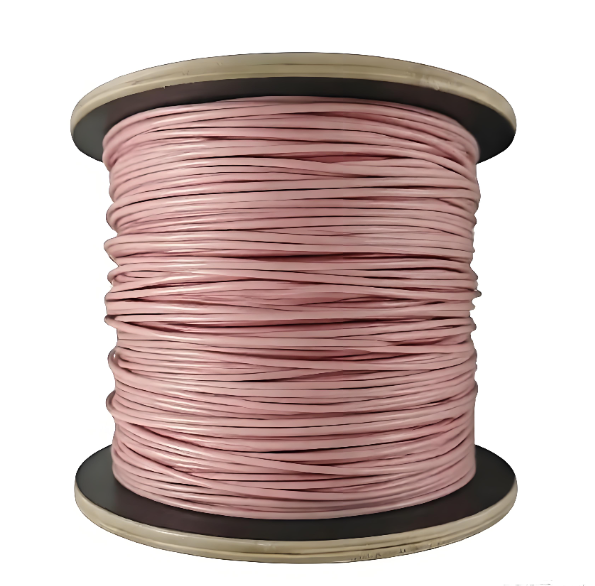
View more products about submersible pump winding wire+
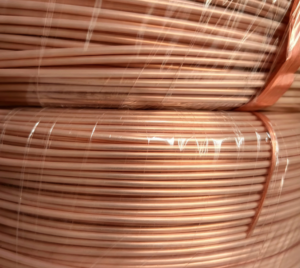
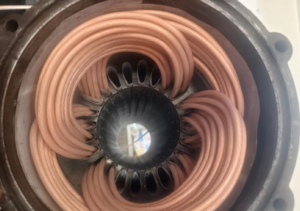
Copper Conductor
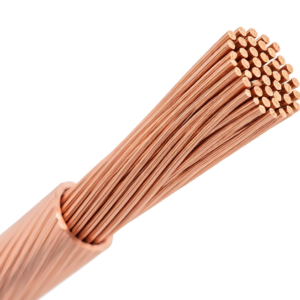
The conductor is made from oxygen-free copper (OFC) with a purity of at least 99.97%. This high-purity copper provides excellent electrical conductivity, low resistance, and reliable power transmission. The conductor may be either a single solid wire or a multi-strand configuration, depending on the motor design and power requirements. Common single-strand diameters range from 0.47mm to 3.6mm, while multi-strand configurations typically use 7 or 19 strands with individual strand diameters from 0.69mm to 1.18mm.
Polyethylene (PE) Insulation
The inner insulation layer is made from high-pressure polyethylene, a material chosen for its outstanding dielectric strength, low water permeability, and chemical stability. This layer provides the primary electrical insulation that prevents short circuits even when the motor is completely submerged. The polyethylene insulation is tightly extruded around the conductor to eliminate air gaps that could cause electrical stress concentrations.
Polyamide (PA) Sheath
The outer sheath is made from polyamide 1010 (nylon), a tough, durable polymer that provides the crucial protection that makes PE+PA wire suitable for submersible applications. The nylon sheath is:
-
Waterproof and oil-resistant – prevents fluid penetration to the insulation layer
-
Mechanically strong – resists abrasion and damage during winding and operation
-
Chemically resistant – protects against acids, alkalis, and salts present in various water sources
-
Electrically insulating – adds a secondary layer of dielectric protection
The PE+PA Solution
The PE+PA insulation system solves this problem through a layered defense:
-
-
Polyethylene handles the electrical insulation – PE has excellent dielectric properties and extremely low moisture absorption, making it ideal for maintaining insulation resistance even in wet conditions. Its high dielectric strength (up to 70 kV/mm) ensures reliable electrical isolation.
-
Polyamide handles the mechanical and chemical protection – The nylon sheath is tough, abrasion-resistant, and provides a barrier against water, oil, acids, and alkalis. It also protects the softer PE layer from physical damage during the winding process and throughout the motor‘s service life.
-
The combination extends service life – Field experience and laboratory testing demonstrate that PE+PA insulated wires significantly outlast single-layer alternatives in submersible motor applications.
-
Frequently Asked Questions
What does PE+PA stand for?
PE+PA stands for Polyethylene + Polyamide. The “PE” refers to the polyethylene inner insulation layer, and “PA” refers to the polyamide (nylon) outer sheath. The “+” indicates the double-layer construction.
What is the maximum operating temperature?
Standard PE+PA submersible winding wire has a long-term operating temperature of up to 70°C. For applications requiring higher temperatures, XLPE+PA wire rated to 90°C is available.
Can PE+PA wire be used in salt water?
The nylon sheath provides resistance to salt water, making PE+PA wire suitable for marine and saltwater applications. However, prolonged exposure to highly concentrated brines may require consultation with the manufacturer.
What is the maximum water pressure?
Standard PE+PA winding wire is rated for water pressure up to 1.5 MPa (approximately 15 bar). This is sufficient for most submersible pump applications at moderate depths.
How do I choose between PE+PA and XLPE+PA?
Choose PE+PA for standard low-voltage applications (450/750V) with operating temperatures up to 70°C. Choose XLPE+PA for higher voltage applications (600/1000V and above) or when operating temperatures reach 90°C.

Reviews
There are no reviews yet.