
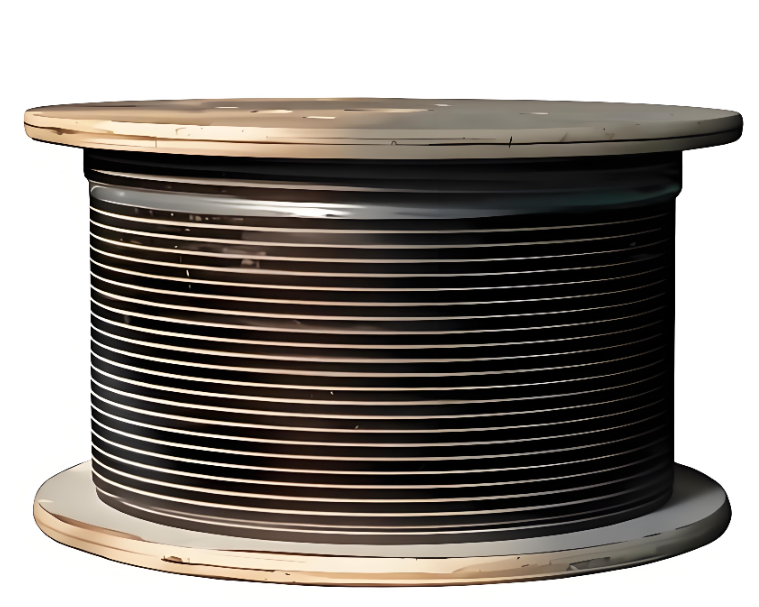
View more products about iberglass covered insualted copper winding wires+
Round Conductors
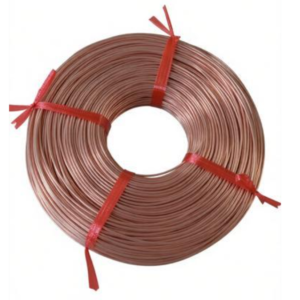
For round copper conductors with glass-fiber and silicone varnish insulation, IEC 60317-50 specifies that nominal conductor diameters range from 0.500 mm up to and including 5.000 mm for bare covered wires. When grade 1 or grade 2 enamel is applied beneath the glass covering, the same diameter range generally applies, with specific dimensions referenced to IEC 60317-0-6.
Glass Fiber Covering Configurations
The glass-fiber covering can be applied in either single or double layers. For double-layer construction, each successive layer is wound in the opposite direction to ensure complete coverage and enhanced mechanical strength. This opposite-winding technique prevents gaps in the insulation and improves resistance to abrasion during winding operations.
Silicone Varnish Impregnation System
The Impregnation Process
The silicone varnish impregnation is a critical step in manufacturing this wire. After the glass filaments are wrapped around the conductor, the wire passes through an impregnation station where the silicone varnish is applied. The varnish penetrates the glass fiber layer, filling voids between the fibers and coating individual filaments. The wire then passes through a curing oven where the varnish is baked, bonding the glass fibers to each other and to the conductor.
This process creates what the industry terms a unified insulation system. The bond between the silicone varnish and glass fibers provides both dielectric integrity and mechanical robustness. The impregnation also seals the surface, preventing moisture ingress and improving chemical resistance.
Silicone Varnish Composition and Characteristics
Silicone varnishes used for this application are typically based on silicone resins. Patent literature describes formulations that can include components such as polymethyl siloxane and dimethyl siloxane, along with additives like lithium nitrate to accelerate curing. The varnish must have a minimum temperature index of 200°C to achieve the required thermal rating.
The combination of silicone varnish with glass fibers creates an insulation system that remains flexible yet abrasion-resistant. The silicone varnish provides the flexibility, while the glass fibers supply the mechanical toughness. This synergy is essential for wire that must be wound into coils without insulation damage.
Unique Thermal Transformation Capability
One notable characteristic of silicone varnish impregnated glass-fiber systems is their ability to undergo thermal transformation. When exposed to temperatures above the pyrolysis point of the organic components in the varnish (typically in the range of 500°C to 650°C), the organic matter volatilizes. The remaining glass fibers are then bonded by the residual silicon dioxide from the pyrolyzed varnish, forming an all-inorganic insulation system. This enables the formed winding to be continuously operated at temperatures from 300°C to 500°C without risk of insulation failure.
This transformation is particularly valuable for applications where the equipment may experience extreme temperature excursions during fault conditions. The insulation can survive these events, preventing catastrophic failure and allowing the equipment to continue operating once temperatures normalize.
Thermal Performance
Temperature Index 200
The silicone varnish impregnated glass-fiber covered wire is rated at temperature index 200, meaning it can operate continuously at 200°C while maintaining its electrical and mechanical properties. This thermal rating is significantly higher than conventional enameled wires, making this product suitable for the most demanding thermal environments.
It is important to note that for this type of wire, the heat shock test is considered inappropriate, and therefore a class based on the requirements for temperature index and heat shock temperature cannot be specified. The absence of heat shock testing reflects the material’s inherent thermal stability.
Extreme Temperature Capability
In specialized configurations, the insulation system can withstand even higher temperatures. Patent literature describes windings insulated with glass fibers bonded by silicone varnish that can be heated to 500°C, where the organic varnish pyrolyzes and the remaining glass structure supports continuous operation at temperatures from 300°C to 500°C.
Heating element applications utilize similar construction. UL-listed styles describe four or more layers of wrapped glass fiber, each successive layer wound in opposite direction, impregnated with silicone varnish, rated for 300°C continuous operation.
Key Applications
High-Temperature Motors and Generators
Motors and generators operating in high-temperature environments—such as those used in steel mills, foundries, and other heavy industrial processes—require winding insulation that maintains dielectric integrity at elevated temperatures. Silicone varnish impregnated glass-fiber covered wire provides the necessary thermal capability for these demanding applications.
Traction Motors
Railway traction motors experience severe thermal cycling, vibration, and mechanical stress. The robust construction of glass-fiber covered wire with silicone varnish impregnation withstands these conditions, ensuring reliable operation throughout the motor’s service life.
Dry-Type Transformers
Dry-type transformers, which rely on air rather than liquid for cooling and insulation, require winding insulation with excellent thermal stability. The 200°C temperature index of silicone varnish impregnated glass-fiber covered wire makes it suitable for the highest temperature classes of dry-type transformer construction.
High-Temperature Sleeving and Cable Protection
The same glass-fiber and silicone resin technology is used in braided sleeving for cable protection. These sleeving products operate from -30°C to +350°C, with peak temperatures up to 400°C, and offer dielectric strength of 0.5 to 1.5 kV depending on wall thickness. They also exhibit good resistance to transformer oils and excellent resistance to fungi and mould, making them suitable for diverse applications.

Reviews
There are no reviews yet.